A Detailed Guide to Various Roof Types and Designs for Every Building
The choice of roof type is essential for any property. Each design provides distinct strengths, from visual attractiveness to structural soundness. Gabled roofs exhibit traditional charm, while flat roofs present a current touch. Understanding the subtleties of various roofing styles can considerably influence a homeowner's decision. This guide presents insights into each option, illuminating their unique characteristics and benefits. What might be the best choice for your property?
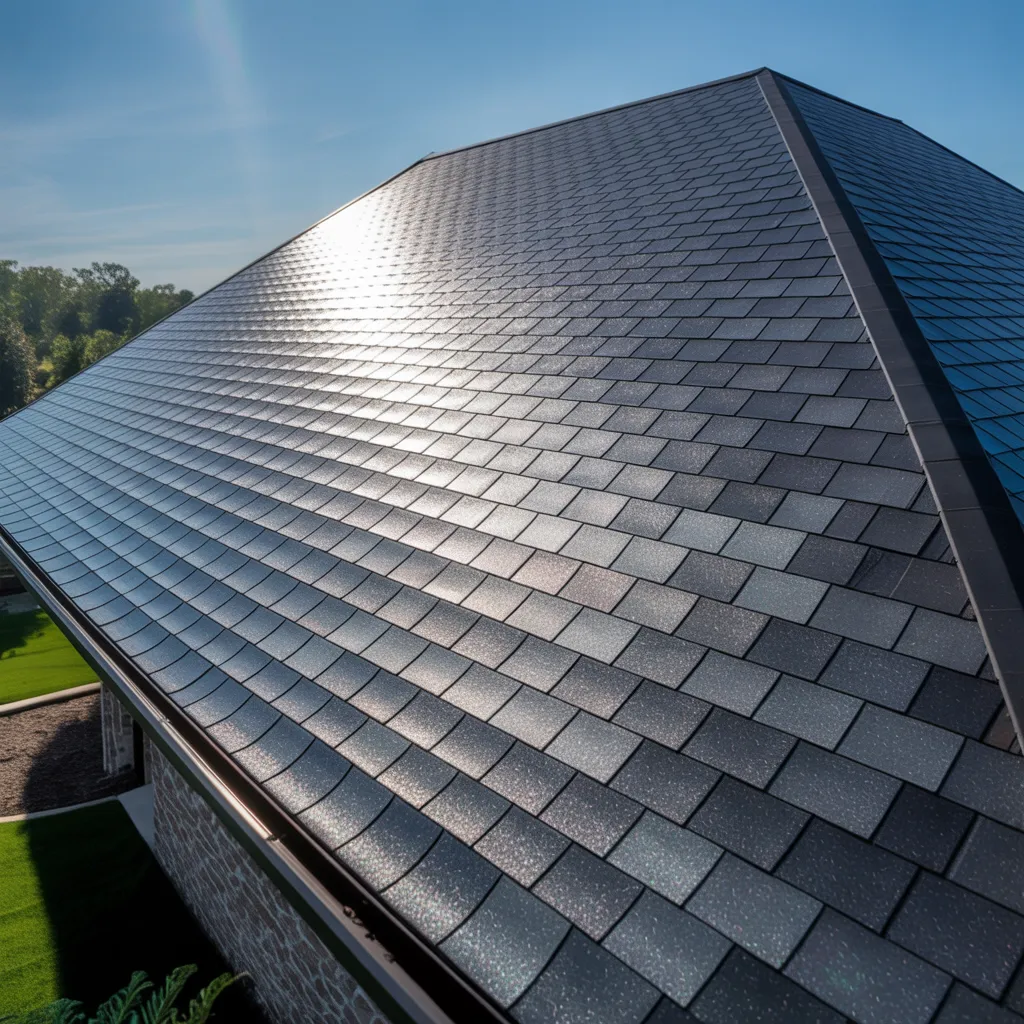
Gabled Roofs: Traditional Beauty and Adaptability
Though numerous roof styles are available, gabled roofs distinguish themselves for their traditional appeal and versatility. Marked by their triangular shape created by two sloping sides, gabled roofs can be seen in countless architectural styles, from traditional cottages to modern homes. This design not only elevates the aesthetic quality of a property but also improves ventilation and drainage, effectively removing rain and snow.
Gabled roofs come in multiple configurations, such as front gables, side gables, and cross gables, permitting homeowners to pick a style that matches their design vision. Moreover, they are fairly simple to construct, which can result in cost savings during the construction process. The versatility of gabled roofs makes them suitable for different climates, as their steep slopes help preventing water accumulation. Overall, gabled roofs remain a favored choice for homeowners and builders seeking a harmonious blend of functionality and timeless elegance.
Flat Roofing: Contemporary Style and Functionality
While many homeowners gravitate towards traditional roof styles, flat roofs present a modern aesthetic and practical advantages that complement contemporary architecture. These roofs deliver a sleek, minimalist look that complements urban environments and modern designs. The horizontal plane allows for versatile use of space, enabling homeowners to create rooftop gardens, terraces, or additional living areas.
Flat roofs are cost-effective as well, demanding fewer materials and reduced labor in installation when compared with pitched roofs. Their basic structure can contribute to decreased maintenance costs over time. Furthermore, flat roofs provide easy access for upkeep and inspections, making them a pragmatic choice for commercial properties.
Nevertheless, it is crucial to account for suitable drainage systems, as flat roofs require robust waterproofing to prevent water accumulation. With the right materials and design, flat roofs can smoothly integrate appearance and functionality, making them an excellent option for modern structures.
Hip Roof Systems: Enhanced Drainage and Stability
Hip roofs, defined by their sloped surfaces that join at the apex, deliver stability along with improved drainage for home structures. This design minimizes the possibility of water collecting on the roof surface, as the angled slopes enable precipitation and snow to run off effectively. The even configuration of hip roofs also supports structural stability, spreading weight evenly across all four sides, which is especially beneficial in regions prone to high winds or heavy snowfall.
Furthermore, hip roofs can provide additional living space with the potential for vaulted ceilings or even attic conversions. Their design can accommodate different roofing materials, allowing for aesthetic versatility. In general, hip roofs are a practical choice for homeowners seeking a balance between functionality and style, ensuring resilience against the elements while elevating the property's overall curb appeal.
Mansard Roofing: Elegant Design Providing Extra Living Space
Mansard roofs are defined by their unique double-pitched structure, offering a combination of elegance and functionality. This architectural style not only elevates the visual appeal of a property but also offers considerable additional living space within the upper story. Residents often value the flexibility and possibilities for customization that mansard roofs offer.
Design Features of Mansard
The distinctive silhouette of a mansard roof captures attention with its elegant lines and dual slopes on each side. This architectural approach displays a steep bottom slope that commonly contains dormer windows, generating a remarkable visual impression. The top slope, being more gradual, is usually flat or gently angled, permitting a distinctive silhouette that elevates the building's complete visual appeal. Mansard roofs are often characterized by their use of various materials, including slate, tile, or metal, providing flexibility in design. The structure enables enhanced vertical space in the upper story, making it fitting for multiple architectural styles, spanning from classic to modern designs. Overall, the mansard roof exemplifies a blend of functionality and sophisticated design.
Advantages of More Space
Many homeowners appreciate the unique advantage that mansard roofs deliver in maximizing usable space within a structure. This architectural style showcases a double-pitched roof, offering extra headroom and the potential for extra living areas such as bedrooms, offices, or recreation spaces. The upper level can be readily converted into functional rooms, improving property value and versatility. Moreover, the design permits larger windows and greater natural light, creating an inviting atmosphere. Mansard roofs also empower homeowners to maintain a traditional aesthetic while reaping modern benefits, making them particularly attractive for those seeking a blend of elegance and practicality. All in all, these roofs deliver both style and functionality, making them a sought-after choice for diverse residential properties.
Shed Roofs: Simple Design and High Efficiency
Although their straightforward design may be underestimated by some, shed roofs present a unique fusion of minimalist design and functional efficiency. Defined by a single sloping surface, these roofs are both simple and aesthetically pleasing, making them a popular choice for modern architecture. The clean lines of a shed roof create a contemporary look, often suiting various building styles.
In addition to their visual appeal, shed roofs are highly efficient. Their slope allows for effective rainwater drainage, decreasing the risk of leaks and water accumulation. This design also supports the installation of skylights, increasing natural light within the space. Moreover, shed roofs are budget-friendly, as they require fewer materials and labor compared to more complex roofing systems.
Curved Dome Roofs: Unique Architecture and Optimal Energy Performance
Dome roofs present a remarkable architectural approach that differentiates them from standard roofing solutions, elevating the aesthetic value of any property. In addition to their visual uniqueness, these roofs are known for their energy efficiency, as their shape promotes natural ventilation and reduces heat buildup. However, the construction of dome roofs presents specific structural challenges that must be carefully considered during the design phase.
Architectural Aesthetics and Appeal
Dome roofs captivate through their unique architectural character, effortlessly combining visual beauty with practical benefits. Such roofing systems generate remarkable visual interest, frequently becoming the centerpiece of diverse buildings. Their curved form evokes a sense of elegance, allowing for creative expression in both residential and commercial buildings. Additionally, dome structures integrate well with multiple architectural genres, ranging from conventional to current styles, increasing overall real estate value. The roomy interior generated by the curved structure enables inventive layout choices, nurturing a hospitable ambiance. Moreover, the distinctive profile of domed roofing renders them a favored option for civic and community structures, representing cohesion and strength while captivating the minds of viewers.
Energy Efficiency Advantages
Advanced architectural designs often come with added functional benefits, and dome roofs illustrate this by enhancing energy efficiency. The rounded shape of dome roofs enables optimal air circulation, minimizing the reliance on heating and cooling systems. This design lessens surface area exposed to external elements, producing lower energy loss compared to traditional flat or pitched roofs. Moreover, dome roofs can effectively accommodate insulation materials, further enhancing thermal performance. Their ability to reflect sunlight can also decrease heat absorption, keeping interiors cooler during hot months. Additionally, the structural integrity of dome roofs allows for the use of sustainable materials, making them an eco-friendly choice. In summary, dome roofs offer a unique combination of aesthetic appeal and energy-saving advantages for property owners.

Structural Considerations and Challenges
While dome roofs deliver several energy efficiency advantages, they also introduce unique structural considerations and challenges that must be handled during design and construction. The curvature of dome roofs necessitates careful engineering to distribute weight evenly, which can complicate the structural framework. Moreover, materials need to be chosen for their ability to withstand various weather conditions, including wind uplift and snow loads. The construction process may call for specialized techniques and skilled labor to guarantee proper assembly, often raising project costs. Furthermore, integrating plumbing, electrical systems, and insulation into the curved surface can create additional challenges. All things considered, a complete understanding of these factors is essential for achieving the desired aesthetic and functional outcomes in dome roof designs.
Frequently Asked Questions
How Do Different Roof Types Influence Home Insurance Costs?
Roof styles substantially affect home insurance premiums, as insurers evaluate risk factors including durability, fire resistance, and weather performance. Houses with robust roof systems frequently benefit from lower insurance costs, while lower-quality materials may cause higher costs.
Which Materials Are Most Suitable for Each Roof Type?
Common roofing materials include asphalt roofing shingles for sloped roofs, metal for long-lasting performance, clay tiles for attractive appearance, and slate for longevity. Each material offers specific advantages, affecting factors such as insulation, maintenance, and overall structural integrity.
How Does Weather Influence Roofing Design Choices?
Climate significantly impacts roof design options, as areas with heavy snowfall require steep slopes for drainage, while regions with high temperatures may profit from materials that reflect heat. Moisture levels also determine ventilation needs and material longevity.
Can My Roof Type Be Changed Later?
While it's possible to change a roof type subsequently, this process demands meticulous assessment of structural stability, area requirements, and financial implications. Property owners ought to seek expert advice to ensure correct execution and adherence to construction regulations.
What Is the Typical Longevity of Various Roofing Materials?
The average lifespan of roofs varies: asphalt shingles last 15-30 years, metal roofing can last 40-70 years, while slate and tile roofing materials can additional info endure up to 100 years, depending on maintenance and environmental factors.